Skip to content

Is dementia and Alzheimers the same thing?

People often use the terms Alzheimer’s and dementia as if they’re one and the same thing, but that can be confusing. This is because dementia is an umbrella term that describes a group of diseases that cause damage to brain cells, changing and affecting how they function. Alzheimer’s disease is just one type of dementia, and while it’s the most common, there are many others, too, including: -Vascular dementia -Mixed dementia -Frontotemporal dementia -Lewy body -Other, i.e. Huntington’s There are other types of dementia – more than 100, according to the Alzheimer’s Society – and some people have a combination of types, known as ‘mixed dementia’. These diseases can share symptoms which means they affect day-to-day life in the same way for those living with them, but the physical causes of these symptoms can differ. Dementia is progressive, meaning it worsens over time. The brain changes that occur with dementia typically cause problems with short-term memory, mood and cognitive function. General symptoms of dementia can include: - Memory loss - Trouble with concentration - Difficulty with conversation - Problems carrying out everyday tasks - Visual perception difficulties, such as issues with judging distances (i.e. when walking up or down stairs) or mistaking patterns for other things - Mood and personality changes You can find a full list of symptoms specific to the types of dementia on the NHS website here https://www.nhs.uk/conditions/dementia/symptoms-and-diagnosis/symptoms/ For more information download The Alzheimer’s Society leaflet, The Dementia Guide, here https://www.alzheimers.org.uk/sites/default/files/2020-03/the_dementia_guide_872.pdf If you’re living with a rare type of dementia, you can find advice from Rare Dementia Support – click here for information Source: https://www.alz.org/alzheimers-dementia/what-is-dementia https://www.nhs.uk/conditions/dementia/symptoms-and-diagnosis/symptoms/ https://www.alzheimers.org.uk/sites/default/files/2020-03/the_dementia_guide_872.pdf

Other relevant FAQs you might like...

  • After diagnosis, how often will I need to see a doctor?

    If you have a dementia diagnosis it’s recommended that you visit your GP at least once a year for a review and general check-up. Of course, if y...

  • Am I entitled to a Blue Badge if I have dementia?

    The answer is, possibly.A Blue Badge is a parking permit that allows people who fit the criteria to park closer to their destination, often for ...
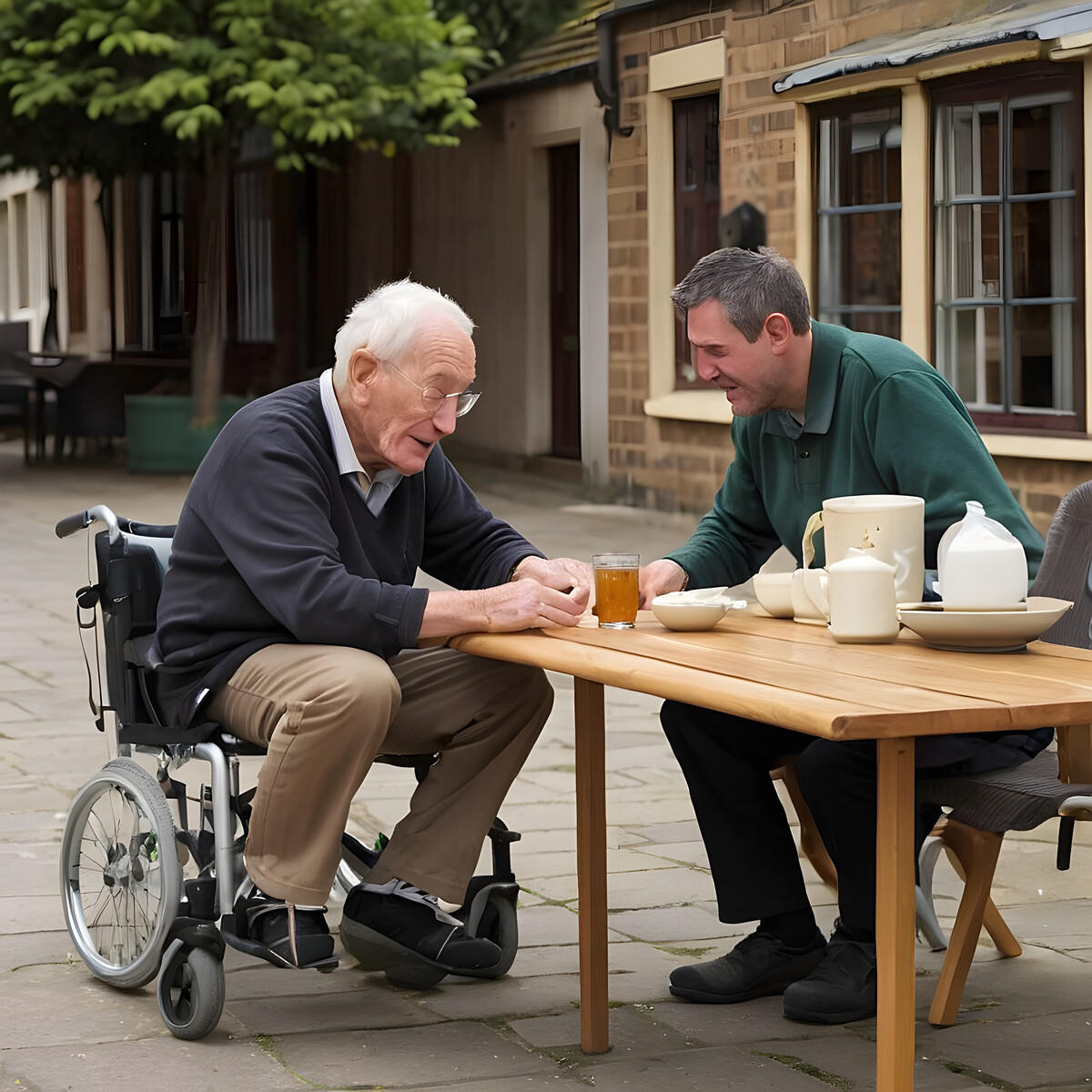
  • Are there any alternatives to medication?
    Dementia medication is not for everyone. Some people can’t take it due to the type of dementia they have and/or because they have other medical con...
  • Are there any craft groups near me?
    When you’re living with dementia, staying active and getting involved in group activities in your local community is a really good idea. And gettin...

See how our community can help you

What’s on in my area

Lorem ipsum dolor sit amet, sectetur adipiscing elit.
Find out more